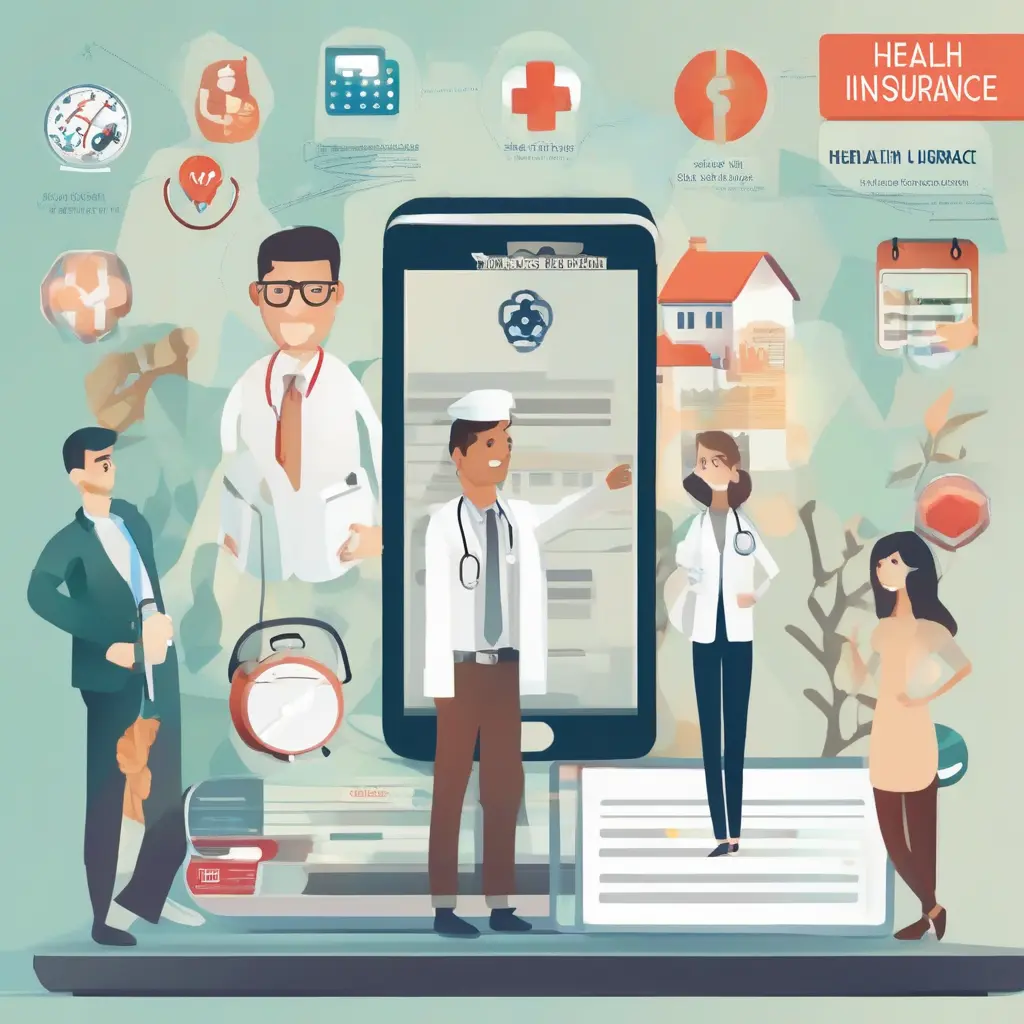
Health insurance in India plays a crucial role in ensuring financial protection against unforeseen medical expenses. As healthcare costs continue to rise, having adequate health insurance can alleviate the financial burden on families and individuals. This article delves into the numerous benefits of health insurance, exploring its significance in achieving peace of mind, affordability, and accessibility to quality healthcare.
Understanding Health Insurance
Health insurance is a financial product designed to cover medical expenses incurred by the insured. This includes hospital visits, surgeries, medications, and various treatments. Policies vary widely, offering different coverage levels and benefits based on the plan chosen. Understanding how these policies work can significantly impact your health and financial security, making it critical for individuals to invest time in researching options that best meet their needs.
Importance of Health Insurance in India
In India, the healthcare system is often burdened by high costs, and many individuals lack adequate medical facilities. Health insurance offers essential protection against rising medical expenses, enabling families to seek necessary treatment without financial strain. Moreover, with the unpredictability of health issues, health insurance serves as a safety net, providing individuals with the confidence to address health matters promptly and effectively.
Types of Health Insurance Plans
In India, various types of health insurance plans cater to diverse needs, including individual plans, family floater plans, and critical illness policies. Individual plans cover one person’s medical expenses, while family floater plans provide coverage for an entire family under a single sum insured. Critical illness plans focus on severe health conditions, offering a lump sum payout to address treatment costs, making it vital for individuals to assess and choose a plan that suits their specific requirements.
Tax Benefits of Health Insurance
Investing in health insurance is not only a financial safety measure but also provides significant tax benefits under Section 80D of the Income Tax Act. Individuals can claim deductions for premiums paid for themselves and dependents, effectively reducing their taxable income. This feature encourages more people to secure health insurance, thus improving the overall health coverage across the country and adding an extra incentive for prudent financial planning.
Cashless Treatment Facilities
Many health insurance providers in India offer cashless treatment facilities, allowing insured individuals to receive care without upfront payment. This system simplifies the claims process and reduces financial stress during medical emergencies. With a network of empaneled hospitals, policyholders can avail of prompt treatment while insurers settle the bills directly with healthcare providers, making it a convenient option for those seeking immediate medical assistance.
Inpatient and Outpatient Coverage
Health insurance plans can provide both inpatient and outpatient coverage, which is crucial for comprehensive healthcare access. Inpatient coverage covers hospitalization expenses, including room rent, doctor fees, and diagnostic tests. Outpatient coverage, on the other hand, includes costs for consultations, therapies, and medications without the need for hospital admission. Assessing the balance of these coverages can help individuals choose a policy that meets their health needs efficiently.
Health Insurance vs. Mediclaim
While health insurance and mediclaim are often used interchangeably in India, there are key differences. Health insurance is a broader term encompassing various medical coverage options, including preventive care and outpatient services. Mediclaim typically focuses on hospitalization expenses and may have limitations regarding pre-existing conditions and treatment types. Understanding these distinctions can help individuals make informed decisions about their healthcare financing.
Pre-existing Conditions and Health Insurance
One common concern among policyholders is the coverage of pre-existing conditions, which are medical issues that exist before purchasing health insurance. Most insurers impose waiting periods for these conditions, meaning that initial medical expenses may not be covered immediately. Individuals should carefully review their policy terms to understand how pre-existing conditions are handled, ensuring they are adequately covered in the event of health complications.
The Role of Health Insurance in Preventive Care
Health insurance is not solely about reactive treatment but also emphasizes preventive care services, which can significantly reduce future health risks. Many policies cover routine check-ups, vaccinations, and screenings, encouraging policyholders to maintain their health proactively. By investing in preventive care, individuals can catch potential health issues early, fostering a healthier lifestyle and potentially lowering long-term medical costs.
Choosing the Right Health Insurance Plan
Selecting the right health insurance plan requires careful evaluation of personal health needs, family health history, and financial capabilities. Individuals should compare various plans, coverage options, premiums, and claim settlement ratios of different insurers. Additionally, understanding the inclusions and exclusions of each plan can help ensure comprehensive protection and prevent unexpected expenses during critical health situations, making this decision essential.
Future Trends in Health Insurance in India
The health insurance landscape in India is evolving rapidly, with increasing digitization and the introduction of innovative products. Insurers are leveraging technology to enhance customer experience through app-based services and faster claim settlements. The rise of personalized health insurance plans based on individual health data is also gaining momentum. Staying updated with these trends can help consumers make informed decisions regarding their health coverage in an ever-changing market.
Conclusion
In conclusion, health insurance in India is an essential investment for securing financial stability and access to quality healthcare. As the healthcare landscape continues to evolve, understanding the intricacies of various health insurance options empowers individuals to make informed choices. With the numerous benefits it offers, obtaining the right health insurance policy can significantly enhance one’s peace of mind and ensure timely medical attention when needed.