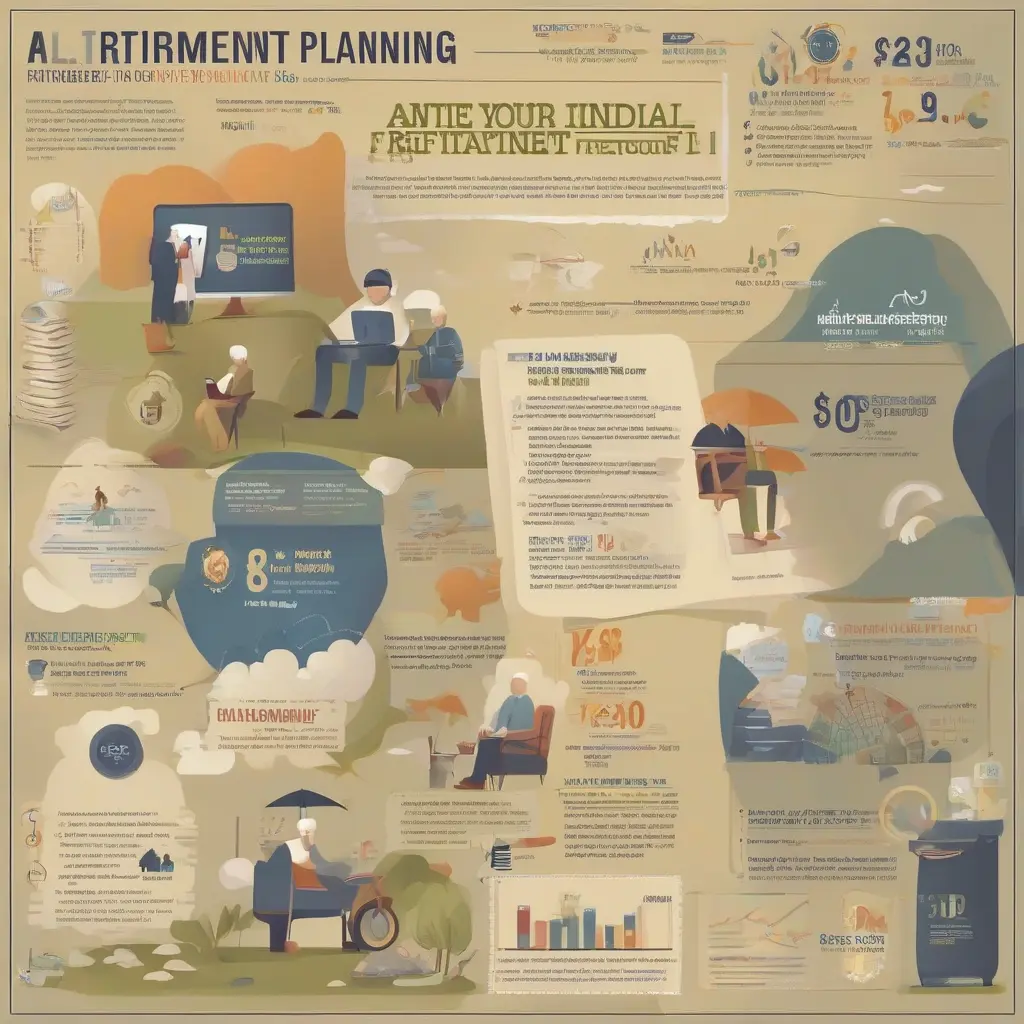
Retirement planning is a crucial aspect of financial health, particularly in India, where traditional safety nets may not suffice. The importance of securing a robust financial future cannot be overstated, especially as life expectancy increases. Effective planning begins early and involves understanding various financial instruments available in the market today. This article offers insights into the essential steps for retirement planning in India, focusing on popular investment options, government schemes, and individual strategies to maximize savings.
Understanding the Importance of Retirement Planning
Retirement planning is essential for ensuring financial security during one’s golden years. As life expectancy rises, individuals need to prepare for a longer retirement period. Delaying retirement planning can lead to insufficient savings, which may result in compromised lifestyles. By taking into account inflation, healthcare costs, and unexpected expenses, you can better assess how much you will need to save. Early and consistent planning allows individuals to create a well-balanced portfolio, ensuring necessary resources are available when needed.
Assessing Your Retirement Needs
To effectively plan for retirement, one must first assess their retirement needs. This involves calculating estimated living expenses, healthcare costs, and discretionary spending that may occur during retirement. A common rule of thumb is to aim for 70-80% of your pre-retirement income to maintain a similar lifestyle. Additionally, consider potential changes in expenses such as travel or hobbies. By identifying these financial targets, you can develop a clearer picture of how much you need to save and invest before retirement.
Popular Retirement Investment Options in India
In India, several investment options cater to retirement planning, allowing individuals to choose according to their risk appetite. Public Provident Fund (PPF) is a government-backed scheme that offers tax benefits and attractive interest rates. Employees’ Provident Fund (EPF) is another robust option for salaried individuals. Mutual funds, particularly Equity Linked Savings Schemes (ELSS), provide higher growth potential, while Fixed Deposits offer security. A diversified approach by mixing these options can provide both safety and growth, enhancing your retirement corpus.
Exploiting Government Schemes for Retirement
The Indian government affords various schemes aimed at assisting with retirement planning. The Pradhan Mantri Pension Yojana (PMPY) offers a safety net for unorganized sector workers, ensuring a monthly pension. Additionally, the National Pension System (NPS) allows individuals to build a retirement corpus through a mix of debt and equity investment. These government schemes are beneficial for lower-income groups and serve as an essential layer of financial security in retirement planning.
Creating a Diversified Portfolio
Creating a diversified portfolio is vital to balancing risk and reward in retirement planning. Targeting a mix of stocks, bonds, mutual funds, and fixed income securities can help hedge against market volatility. Consider your age and risk tolerance when forming this portfolio. Younger individuals may lean toward equities for higher growth potential, while nearing retirement necessitates a more conservative approach. Regular reviews of your portfolio ensure that it aligns with your retirement goals and market conditions.
Tax Planning in Retirement
Tax planning is a crucial element of retirement planning in India, as various retirement income sources are subject to different taxation levels. Income from sources like pensions, interest, and capital gains can significantly impact your net retirement income. Understanding how to effectively manage withdrawals in a tax-efficient manner can retain a larger portion of your savings. Consulting a tax professional for retirement strategies ensures compliance and optimal tax management throughout retirement years.
Healthcare Planning for Retirement
Healthcare expenditures generally increase with age, making healthcare planning essential in retirement strategies. It’s vital to consider health insurance options that cover expenses and critical illnesses. Mandatory medical check-ups and preventive healthcare should also be factored into retirement expenses. Securing adequate health insurance provides peace of mind and ensures that unexpected medical costs do not derail your retirement savings. Consider options that cater specifically to senior citizens for comprehensive coverage.
The Role of Insurance in Retirement Planning
Insurance plays an important role in retirement planning, protecting against unforeseen events and ensuring financial stability. Life insurance can provide a safety net for dependents, while annuities can guarantee a steady income stream during retirement. Health insurance, as mentioned earlier, protects against rising medical costs. Consider integrating different types of insurance into your retirement planning to mitigate risks and enhance financial security for yourself and your loved ones.
Setting Realistic Retirement Goals
Setting realistic retirement goals is paramount to effective retirement planning. Define what a comfortable retirement looks like for you—consider travel, lifestyle choices, and living arrangements. Establish a timeline and measurable milestones, making the planning process more structured. Adjust these goals as necessary based on changing circumstances or market conditions. Continual reassessment ensures that your retirement plan remains relevant and achievable, guiding you toward financial independence.
The Importance of Regularly Reviewing Your Retirement Plan
Regularly reviewing your retirement plan is essential for staying on track with your financial goals. As life circumstances and market conditions evolve, adjustments to your strategy may be necessary. Conducting annual reviews allows you to monitor your investment performance, reassess your needs, and make informed decisions. If your financial situation changes—like a salary increase or a significant expense—updating your plan ensures you are prepared for your desired retirement lifestyle.
Conclusion
In conclusion, effective retirement planning is essential for securing a financially stable future in India. By understanding your retirement needs, utilizing various investment options, and continuously reviewing your strategy, you can accumulate the resources required for a comfortable and fulfilling retirement. Taking action today can help ease concerns about tomorrow’s financial security and enhance the quality of life during your retirement years.