The digital payment landscape in India has witnessed significant transformation over the years, fueled by advancements in technology and increased internet penetration. With a burgeoning economy and a youthful population, digital payments have emerged as a vital aspect of daily transactions. This comprehensive guide will delve into the various digital payment solutions available in India, their benefits, security features, and the challenges that users and providers face in this rapidly evolving sector.
Overview of Digital Payment Solutions in India
Digital payment solutions in India encompass a wide array of methods such as mobile wallets, Unified Payments Interface (UPI), and Internet banking, among others. These solutions have simplified transactions for consumers and businesses alike, allowing for quick, cashless exchanges that cater to the modern lifestyle. In a country with a significant focus on financial inclusion, these digital solutions have made banking services accessible even in rural areas, bridging resource gaps and contributing to economic growth.
Types of Digital Payment Solutions
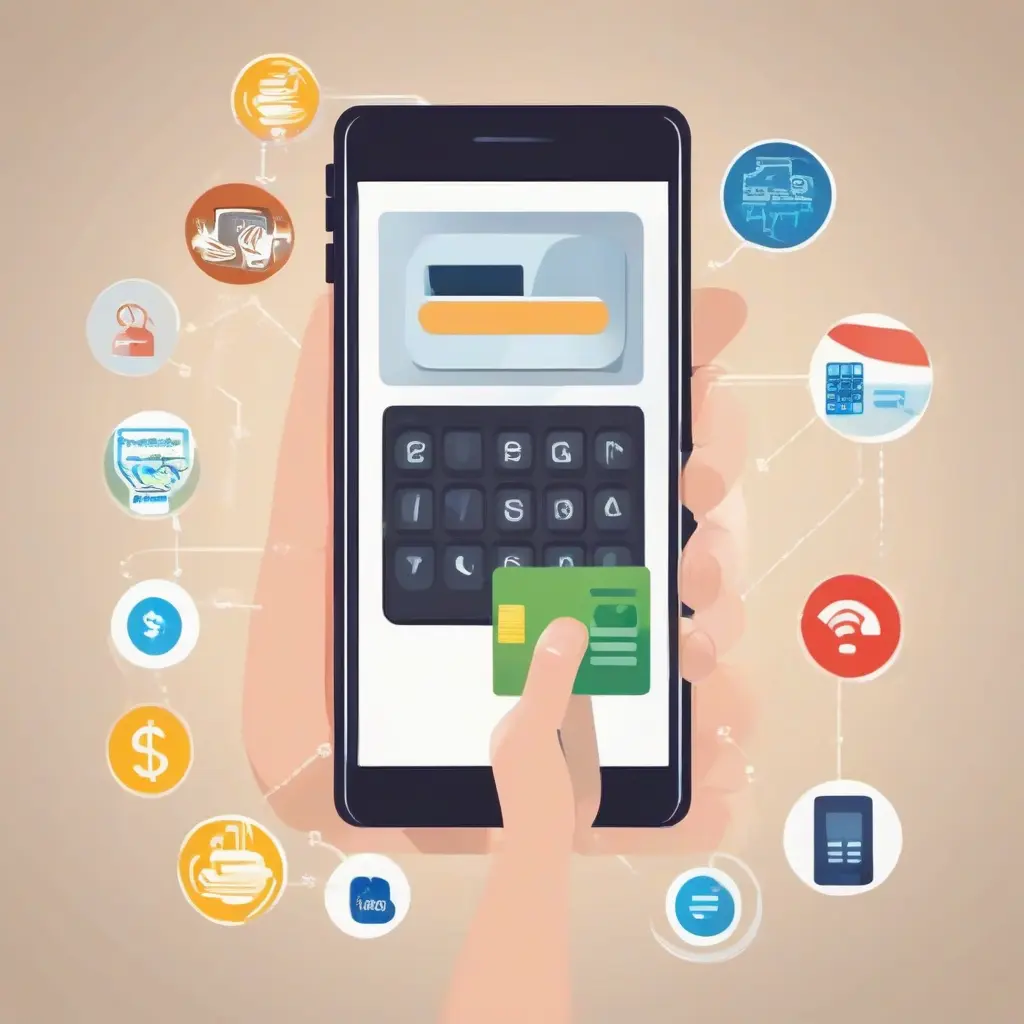
Various types of digital payment solutions exist, each offering unique features to cater to different user needs. Mobile wallets like Paytm and PhonePe facilitate quick transfers and bill payments, while UPI enables seamless bank-to-bank transactions via various apps. Additionally, e-commerce platforms offer integrated payment gateways for secure online purchases. Understanding these types is crucial for users to choose the most suitable options for their financial activities.
Benefits of Digital Payments
The advantages of adopting digital payment solutions are manifold. Firstly, they offer convenience, reducing the dependence on cash and saving time during transactions. Furthermore, digital payments provide enhanced security features, such as encryption and two-factor authentication, which protect users’ financial information. They also accelerate transaction speed, making it easier for businesses to perform cash flow management and for consumers to make instant payments for services or products.
Adoption Rates of Digital Payment Solutions
India has experienced impressive growth in the adoption of digital payment solutions, significantly influenced by government initiatives such as Digital India. Statistics indicate a surge in UPI transactions, with billions executed monthly, demonstrating that consumers are increasingly embracing cashless transactions. This trend is complemented by rising smartphone penetration and internet access, especially among the younger population, which is driving a cultural shift towards digital finance.
Challenges Facing Digital Payment Solutions
Despite the growth and benefits associated with digital payment solutions, several challenges persist. Cybersecurity threats remain a primary concern, as users may become vulnerable to phishing scams and data breaches. Additionally, there is a lack of digital literacy among segments of the population, which could hinder wider adoption. Finally, infrastructural issues in rural areas can limit the reach and effectiveness of digital payment platforms, presenting ongoing challenges for providers.
Regulatory Framework for Digital Payments
The regulatory framework surrounding digital payments in India is designed to ensure security and consumer protection. The Reserve Bank of India (RBI) plays a pivotal role in overseeing digital transactions, establishing guidelines for service providers relating to data privacy and transaction security. Compliance with these regulations is essential for maintaining trust and encouraging the responsible use of digital payment methods across the nation.
Security Measures in Digital Payments
Securing digital payment transactions is vital for building consumer confidence and mitigating risks. Various security measures are in place such as tokenization, which replaces sensitive card details with a unique identifier, and biometric authentication that utilizes fingerprint or facial recognition for added verification. These measures not only protect user data but also comply with regulatory standards, thus fostering a safer environment for digital transactions.
Future of Digital Payment Solutions in India
The future of digital payment solutions in India appears promising, with ongoing technological advancements and increasing acceptance among consumers. Innovations like blockchain technology and artificial intelligence are likely to shape the industry, enhancing security and personalization in transactions. As infrastructure improves and more users become comfortable with digital finance, we can expect a further surge in the adoption of these innovative payment solutions.
Conclusion
In conclusion, understanding the array of digital payment solutions available in India is essential for consumers and businesses alike. With their convenience, security features, and a favorable regulatory environment, these solutions are shaping the future of financial transactions. As the country moves further into the digital age, the importance of fostering digital literacy and addressing existing challenges will be crucial for maximizing the potential of digital payments.